November 6, 2026
Preventing falls is an important part of helping older adults maintain their safety, confidence, and independence. While falls can happen for many reasons, simple changes to everyday routines and living spaces can help reduce common risks. Understanding potential hazards, knowing when to ask for assistance, and working together can make a meaningful difference.
At Vitalia North Royalton, I believe fall prevention starts with understanding each resident’s individual needs and creating an environment that supports safe movement. Small changes to an apartment, combined with consistent daily habits, can help residents maintain their independence while reducing unnecessary risks.
As Wellness Director, I encourage residents, families, and team members to communicate openly and work together to find practical solutions that support safety and comfort.
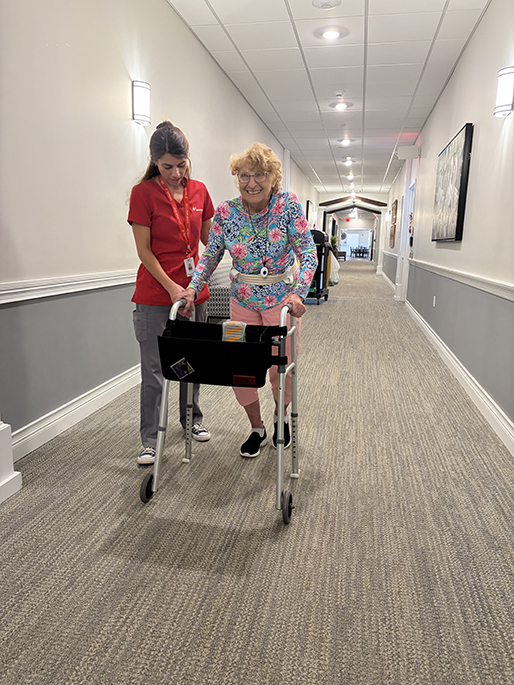
Some of the most common fall hazards in residents’ apartments include area rugs, clutter, and narrow walkways that make it difficult to use assistive devices.
Area rugs can shift, bunch up, or curl at the edges, creating tripping hazards. Whenever possible, I encourage residents to remove loose rugs from their apartments.
If a resident prefers to keep a rug, it should lie flat and be properly secured with appropriate nonslip backing.
Clutter and overcrowded living spaces can also make it difficult to move safely.
When furniture or personal belongings take up too much floor space, residents may have trouble navigating their apartments, especially when using a walker or wheelchair.
I encourage families to consider whether furniture arrangements allow enough room for residents to move comfortably and turn around with their assistive devices.
Sometimes, removing an unnecessary piece of furniture or rearranging belongings can make a meaningful difference.
Safety equipment is another important consideration.
Depending on a resident’s individual needs, equipment such as toilet risers, shower chairs, and grab bars may provide additional support during everyday activities.
However, these items should be appropriate for the resident and used according to the recommendations of their healthcare or therapy team.
At Vitalia North Royalton, I believe communication and education are essential when making these decisions.
Team members, families, and therapy professionals can work together to identify concerns and determine which adjustments will be most helpful.
Every resident has different abilities, preferences, and routines. What works well for one person may not be the best solution for someone else.
By involving residents in these conversations, we can create safer apartments while respecting their independence and personal choices.
Along with creating a safer living environment, simple daily habits can help residents feel more confident and steady on their feet.
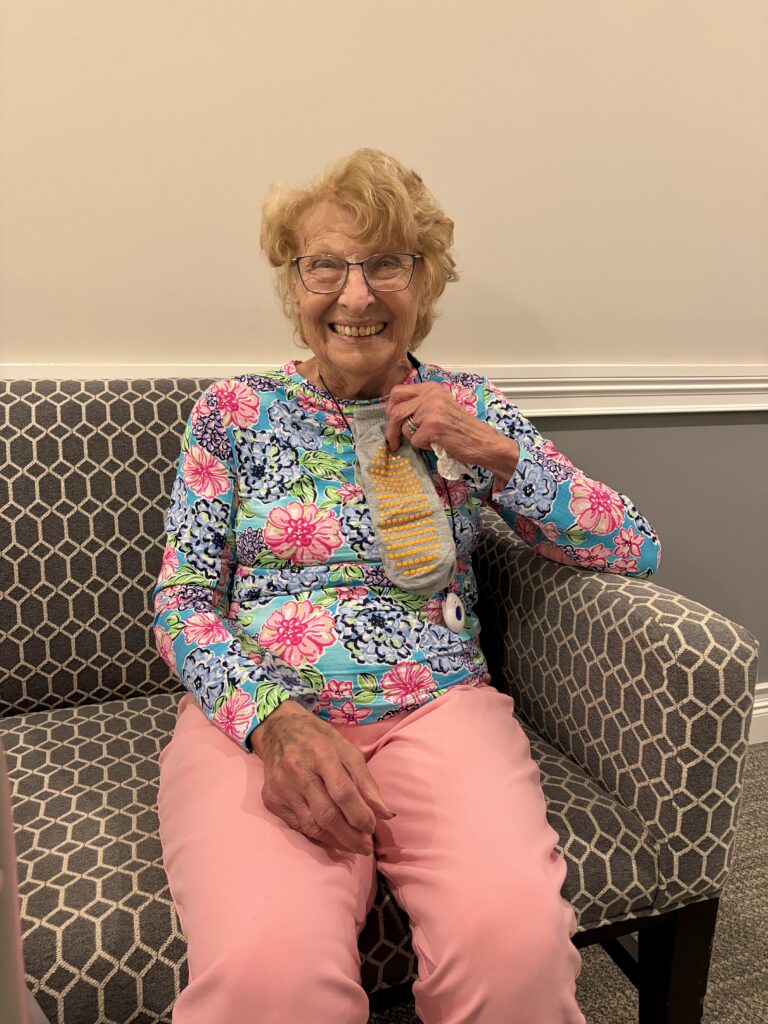
One important habit is wearing appropriate footwear.
I encourage residents to wear properly fitting shoes with slip-resistant soles or appropriate nonskid socks, depending on their mobility needs and care team’s recommendations.
Footwear that provides good traction can help reduce the risk of slipping on smooth surfaces.
Consistently using recommended assistive devices is equally important.
Residents who use walkers, canes, or other mobility equipment should keep these devices within reach and use them as directed.
Bathroom safety equipment, including shower chairs, toilet risers, and grab bars, should also be used when recommended.
Another habit I encourage is avoiding long periods of inactivity.
Regular movement can help maintain strength, flexibility, and mobility. Even small amounts of activity throughout the day may be beneficial when appropriate for the resident’s abilities.
Residents should follow any exercise or movement recommendations provided by their healthcare or therapy team.
Taking time when changing positions is also important.
Moving too quickly from lying down to sitting or from sitting to standing can sometimes cause dizziness or a loss of balance.
I encourage residents to sit upright for a moment before standing, then pause again to make sure they feel steady before beginning to walk.
If someone begins feeling dizzy, weak, or unsteady, they should stop moving and sit or lie down safely if possible.
They should use their call system to request assistance and wait for a team member rather than attempting to continue walking alone.
Our nursing team can evaluate the concern and determine whether additional care or medical follow-up is needed.
Recognizing changes in balance or mobility and reporting them promptly can help prevent an unsafe situation.
My simplest fall-prevention tip is to wear appropriate footwear and call for assistance whenever you need it.
These two habits can help residents feel more secure during everyday activities while ensuring support is available when something feels difficult or uncertain.
Fall prevention is not about limiting independence. It is about finding the right combination of safe surroundings, appropriate equipment, and daily habits for each individual.
At Vitalia North Royalton, our goal is to help residents remain active, confident, and supported while continuing to enjoy the routines and activities that matter to them.
VITALIA® North Royalton in North Royalton, OH , offers independent senior apartments, assisted living, and memory care with a variety of services and a range of floor plan options. Amenities include restaurant dining, 24-hour bistro, concierge service, housekeeping, events and entertainment, personal care, transportation services, and more. Centrally located near Parma Hospital and Southwest General Hospital with convenient access to major shopping centers and attractions, including Ridgewood Golf Course, Southpark Mall, Sleepy Hallow Golf Course, Cleveland Metro Parks, Cleveland Metroparks Zoo, and Heavily Hills Farm.

VITALIA® North Royalton serves and employs individuals of all faiths, regardless of race, color, gender, sexual orientation, national origin, age or handicap, except as limited by state and federal law.